
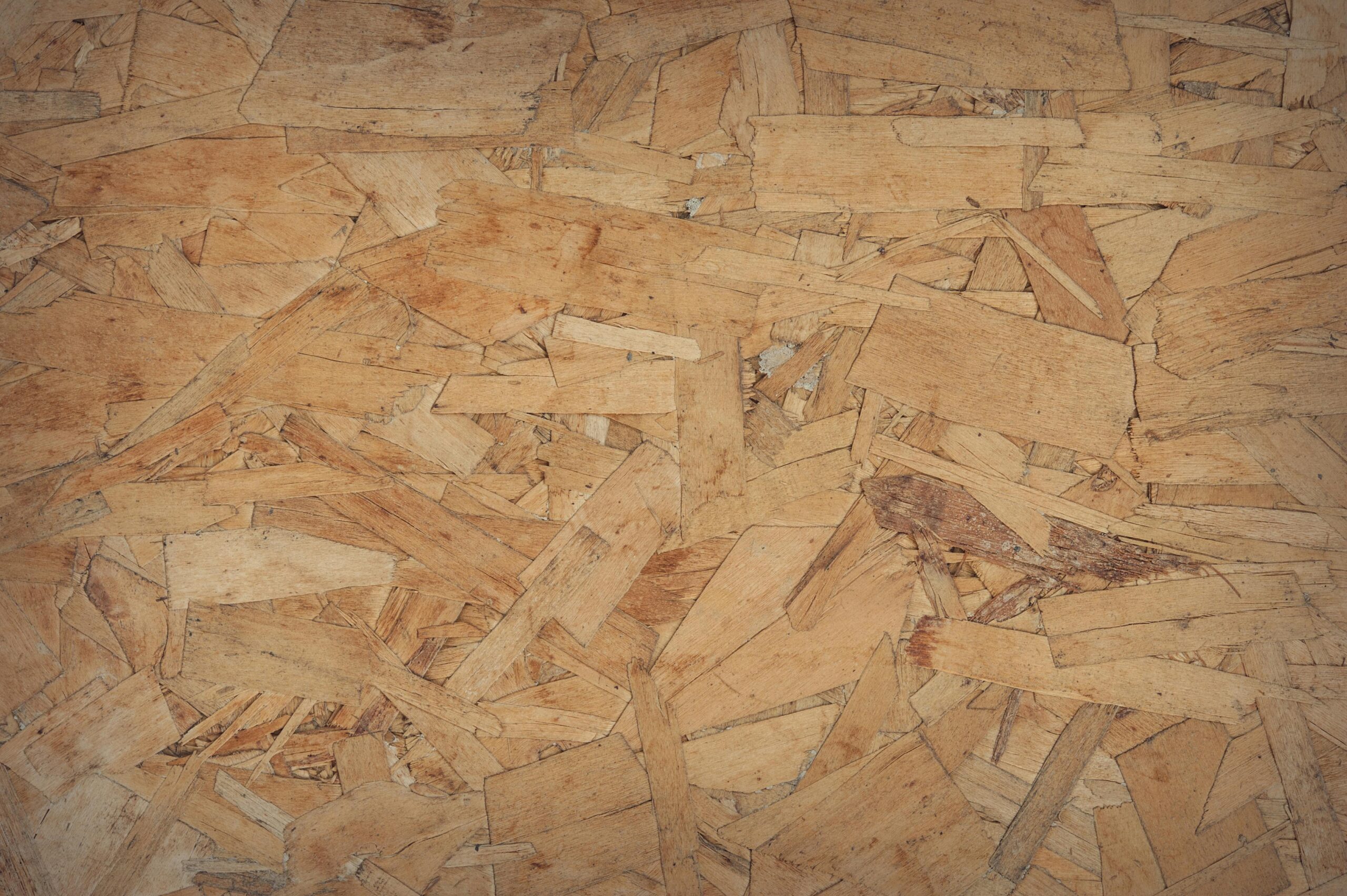
When you need a strong, no nonsense sheet that can handle real construction work without breaking the bank, nothing beats CDX plywood. It’s the go to material for roof sheathing, wall bracing, subfloors, and dozens of other jobs where looks don’t matter but strength and price do. You’ll see stacks of it on every framing site, inside every new house being built, and in the back of every contractor’s truck. At Hawks Merchants we move hundreds of sheets every week because pros know when the inspector signs off and the job has to stay on budget, CDX plywood gets it done.
What Exactly Is CDX Plywood?
Let’s break down the name because people ask us this daily. “C” stands for the face veneer it has knots, splits, and rough patches (perfectly fine for structural work). “D” is the back veneer usually a little worse than the face, sometimes with knotholes plugged. “X” means Exterior glue. That’s the big one. The panels are glued with waterproof phenolic resin that holds up even if it gets wet during construction.
So CDX plywood = C-grade face, D-grade back, glued with exterior adhesive. Simple, tough, cheap, and built to last the life of the building when protected.
Common Thicknesses and Sizes for CDX Plywood
Most lumber yards (including us at Hawks Merchants) stock these sizes year-round:
3/8″ – Wall sheathing in some regions, hoop house ends
7/16″ – Popular for roof decking on trusses 24″ on center
1/2″ – Wall sheathing, some subfloor applications
5/8″ – Heavy roof sheathing, tongue-and-groove subfloor
3/4″ – The king for subfloors and single-layer floors over 19.2″ joists
1-1/8″ – T&G for heavy commercial floors or trailer decks
Standard sheet size is 4×8. Some places carry 4×9 and 4×10 for faster roof coverage, but 4×8 is what 95% of framers use.
Where CDX Plywood Shines on the Job Site
Framers and builders love it for good reason:
Roof sheathing – 7/16″ or 5/8″ CDX with H-clips meets code almost everywhere
Wall sheathing – 3/8″ or 1/2″ adds serious racking strength
Subfloor – 3/4″ (sometimes 5/8″ T&G) gives a rock-solid base for tile, hardwood, or carpet
Concrete forms – Spray on some form oil and reuse the sheets a few times
Temporary bracing and hoardings – Cheap enough to throw away when the job’s done
Barns, sheds, and workshops – Perfect when you’re wrapping with metal or T1-11
We had one contractor buy 12 lifts last month just for a 40-unit apartment complex – all roof and wall sheathing was CDX plywood. Still on budget and ahead of schedule.
Is CDX Plywood Really Exterior Grade?
Yes – but with a big asterisk everyone needs to understand.
The “X” means the glue won’t delaminate if it gets rained on during construction. Once the building is dried in (roof on, windows in, siding up) the plywood never sees water again. That’s how it lasts 50+ years in most homes.
If you leave CDX plywood exposed to weather year-round it WILL rot eventually. For permanent outdoor exposure you need marine ply or pressure-treated. For everything under shingles, siding, or stucco – CDX is exactly what the building code wants.
CDX Plywood vs OSB – The Eternal Debate in 2025
Ask ten builders and you’ll get ten opinions. Here’s the straight talk:
CDX Plywood advantages:
Holds nails and screws way better near edges
Doesn’t swell as bad if it gets wet
Stiffer – less bounce in floors
Easier to cut without shredding
OSB advantages:
Usually cheaper (sometimes $5-8 less per sheet)
Lighter weight
Some brands now have better water resistance
At Hawks Merchants we sell both, but when a customer says “my last OSB floor squeaked like crazy” we hand them 3/4″ CDX T&G and the problem disappears.
How to Spot Good CDX Plywood (Don’t Get Burned)
Not all CDX is created equal. Here’s what we look for when we buy truckloads:
Stamps every 4ft saying PS 1-09 or PS 1-19 (means it meets structural standards)
Clean, waterproof glue lines you can see on the edge
No delamination or core gaps wider than 1/8″
Made in USA or Canada (imports can be hit-or-miss lately)
If the stamp is missing or faded, walk away. We reject about one load a month that doesn’t meet our standards – you’ll never see that junk on our racks.
Pro Tips for Working with CDX Plywood
Cut with the good face down on the table saw (less tear-out)
Use ring-shank nails or screws near edges – less pull-through
Leave 1/8″ gap between roof sheets for expansion
Store flat and stickered – leaning against the wall warps sheets fast
For subfloor, glue AND nail (or screw) every 6″ on edges, 8-10″ in the field
One small mistake we see all the time: guys stacking 60 sheets directly on wet dirt. By the time they get to the bottom lift everything’s wavy. Keep it on pallets!
Current CDX Plywood Prices & What to Expect in 2025
Prices have calmed down from the 2021-2022 insanity, but they’re still higher than pre-pandemic. As of spring 2025 a 4x8x1/2″ sheet runs $38-44 and 3/4″ is $58-68 depending on the mill. We keep prices posted daily at Hawks Merchants because they change fast.
Buy by the unit (42-50 sheets) and you’ll save $3-5 per sheet plus free forklift loading.
Final Verdict –Should You Use CDX Plywood?
If you’re building or remodeling anything structural in 2025, the answer is almost always yes. It’s strong, code-approved, widely available, and still the cheapest way to get real wood performance.
From massive apartment complexes to the shed in your backyard, CDX plywood has been holding up American buildings for decades and isn’t going anywhere.
Stop by Hawks Merchants today we’ll load your truck while you wait, cut sheets if you need odd sizes, or deliver same/next day on full units. Real CDX, real stamps, real people who actually answer the phone.
Your next project deserves material that won’t let you down. Grab some CDX plywood and get building.
Need CDX plywood today? Hawks Merchants has full units in stock, everyday low pricing, and fast delivery. Call or come by we’ve got your back