
Introduction
It’s a busy evening in 2026, and you’re rummaging through the fridge for that steak you bought over the weekend. It looks a bit off maybe a tad discolored but you’re starving, and the thought of tossing it feels like a waste. “Is this safe to cook?” you wonder, staring at it skeptically.How to tell if meat is bad We’ve all been there, right? That moment of kitchen doubt can turn a simple dinner into a potential disaster. As a home cook myself, I’ve had my share of close calls, like the time I nearly grilled a questionable beef roast for a family barbecue, only to catch a whiff of something sour just in time. Spoiled meat isn’t just a buzzkill; it can lead to serious health issues, unnecessary food waste, and a hit to your wallet.
Think about it: In 2026, with smart fridges and AI meal planners becoming commonplace, we’re still relying on our senses for the basics. But combining old-school checks with modern knowledge? That’s a recipe for success. Whether you’re a busy parent prepping school lunches, a grill enthusiast firing up the barbecue, or a food lover experimenting with halal cuts, this knowledge empowers you. And hey, if you’re sourcing premium halal raw meat like fresh beef or steak, trusted spots like Hawks Merchants can help ensure you’re starting with the best quality fresh, ethical, and ready for your table.
What’s your biggest kitchen fear when it comes to meat? Share in the comments below let’s swap stories and tips! Now, let’s dive into the signs that scream “toss it” and keep your meals safe and savory.

Common Signs That Meat Has Gone Bad
Spotting spoiled meat early can prevent a world of trouble. Rely on your senses—sight, smell, touch, and even a quick date check. Here’s a breakdown of the key indicators, backed by USDA guidelines.
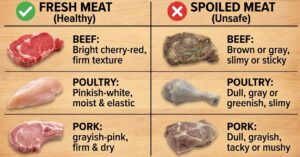
– Color Changes: Fresh meat is typically bright red or pink. If it turns gray, green, or brownish (beyond normal oxidation), it’s likely spoiled. For example, greenish hues signal bacterial growth, while iridescent sheens might just be from processing but if combined with other signs, toss it. Pro tip: Ground meat can brown inside due to lack of oxygen, but full graying is a red flag.
– Off Smells: A sour, ammonia like, or rancid odor is a dead giveaway. Fresh meat has a mild, neutral scent; spoiled ones smell sickly sweet or like rotten eggs. If it hits you from afar, don’t risk it your nose knows!
– Slimy Texture: Touch the surface; if it’s sticky, tacky, or slimy, bacteria are at work. Fresh meat feels firm and slightly moist, not like it’s coated in goo. Wash your hands immediately after to avoid cross-contamination.
– Mold Presence: Fuzzy green or white spots? That’s mold, and it’s time to discard the whole piece. Don’t trim it off spores can spread invisibly.
– Expiration Dates: Check use by or sell-by labels. While not foolproof, exceeding them increases risk. If frozen, meat can last months, but once thawed, use within days.
Remember, these signs apply broadly, but always err on caution. Have you ever mistaken oxidation for spoilage? Tell us in the comments!
How to Tell If Beef Is Bad (Specific Tips)
Beef, a staple for many home cooks, can spoil subtly. Focus on these beef-specific cues to stay safe.
– Graying Color: Fresh beef is cherry-red; if it’s uniformly gray or has dark patches, bacteria like Pseudomonas are likely involved. Myth busted: Slight browning from oxidation isn’t always bad it’s metmyoglobin forming but check other signs.
– Sour Odor: A tangy, funky smell while cooking or raw indicates spoilage. Ground beef is trickier; even without odor, it can harbor Salmonella.
– Sticky Feel: If it feels tacky or leaves residue, toss it. Fresh beef bounces back when pressed.
– Excess Liquid: Some purge is normal, but pooling juices suggest breakdown.
How to Tell If Steak Is Bad
Steak enthusiasts, listen up grilling a bad cut ruins the vibe. Here’s how to spot issues.
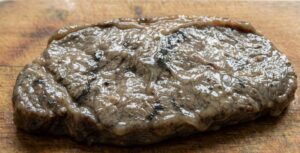
– Sliminess: A sticky or slimy surface means microbial growth. Dry-aged steaks might feel tacky, but spoilage is slimier.
– Pungent Smell: Ammonia or sour notes? Bad news. Fresh steak smells mildly metallic.
– Discoloration: Yellow, brown, or green tints beyond the edges signal trouble. Freezer-burned steak looks dry and shriveled safe but tasteless.
– Dry or Shriveled Texture: If it doesn’t bounce back, it’s old.
Before grilling, do a pre-check. for that fresh-off-the-farm quality.
What to Do If Your Meat Is Spoiled (And Health Risks)
Found spoiled meat? Don’t panic—handle it safely.
– Safe Disposal: Double bag it and toss in an outdoor bin to avoid odors. Clean your fridge with baking soda to neutralize smells.
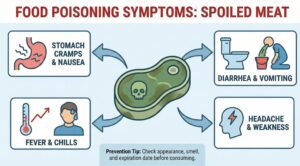
– Health Risks: Eating spoiled meat can cause food poisoning from pathogens like Salmonella or E. coli, leading to nausea, vomiting, diarrhea, cramps, and fever. Symptoms hit within hours to days; severe cases need medical attention, especially for kids or elderly. In rare cases, it can lead to dehydration or organ damage.
Reader poll: Ever gotten sick from bad meat? Share your story below we’ve all learned the hard way!
For more on food safety, visit the USDA’s meat safety page.
Prevention Tips: How to Keep Meat Fresh Longer
Prevention beats cure here’s how to extend meat’s life.
– Proper Storage: Refrigerate at 40°F or below; freeze at 0°F. Use airtight containers or vacuum seal to prevent freezer burn. Raw meat lasts 1-2 days in the fridge; frozen, up to 12 months for steaks.
– Freezing Guides: Portion meat before freezing thaw in the fridge, not counter, to avoid bacteria. Refreeze only if thawed safely.
– Sourcing Fresh: Buy from ethical suppliers for longer freshness. Hawks Merchants offers premium halal meat that’s flash-frozen for quality
– Hacks: Marinate with salt/turmeric for short term extension; use MAP packaging if available.
Link to FDA food safety basics.
What’s your top storage hack? Drop it in the comments!
Conclusion
Wrapping up, mastering how to tell if meat is bad boils down to trusting your senses: Check for color shifts, off odors, slimy textures, and mold. For beef, watch for graying and sour smells; for steak, sliminess and discoloration are key red flags. If it’s spoiled, dispose safely to avoid health risks like food poisoning, which affects millions yearly. Prevention is simplestore at proper temps, freeze smartly, and source fresh to cut waste and save cash. In 2026, with food trends leaning toward sustainable, halal options, these tips empower you to cook confidently.
Remember, a little vigilance goes a long way in keeping your kitchen safe and fun. Test your knowledge: What’s your go to spoilage check? Comment your top tip below we love hearing from fellow foodies! For worry free cooking, explore fresh halal beef and steak at Hawks Merchants premium quality that starts fresh and stays that way. Share this post on social media to help others avoid kitchen mishaps, and bookmark our related meat guides for more advice. Stay safe, eat well, and happy cooking!