
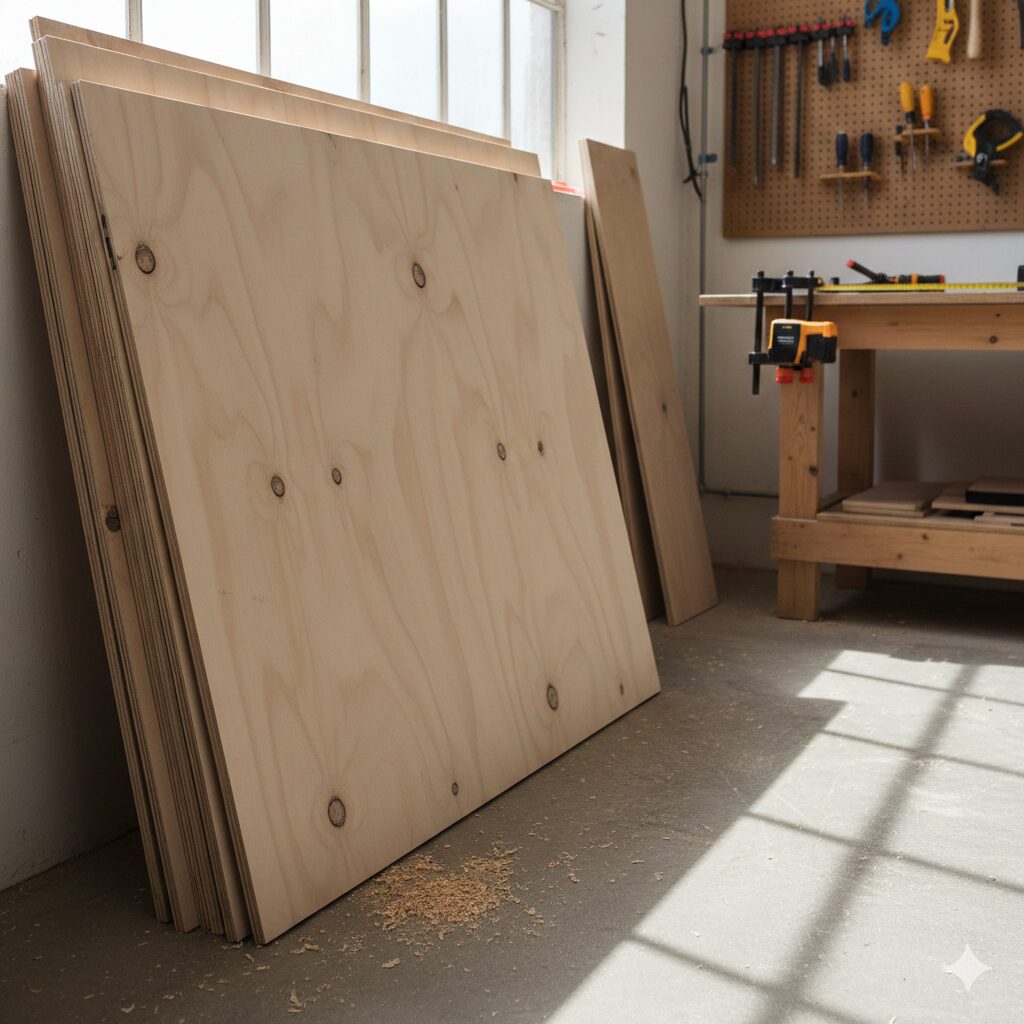
If you’re building anything that’s going to live outside decks, fences, planter boxes, kids’ playhouses, or even a simple garden shed then pressure treated plywood is probably the smartest material you can choose. Here at Hawks Merchants, we sell truckloads of it every month, and the reason is simple: it lasts. Regular plywood rots in a couple of years when it gets wet, but pressure treated plywood laughs at rain, snow, and humidity for 20-30 years or longer.
Most people think treated just means someone sprayed some green stuff on it. Nope. Real pressure treated plywood gets forced full of chemicals under crazy high pressure inside a giant cylinder. The preservatives go deep into the wood not just the surface so bugs can’t eat it and fungus can’t grow. That’s why you see those old decks from the 90s still standing strong.
What Exactly Is Pressure Treated Plywood?
Let’s clear up the confusion right away.
Pressure treated plywood is regular plywood (usually southern yellow pine or spruce) that’s been put inside a sealed tank. They pull all the air out, then pump in water borne preservatives like ACQ, CA, or micronized copper azole (MCA) until the wood won’t take any more. The result? Wood that can sit in the ground or stay wet 365 days a year and still not rot.
At Hawks Merchants we only stock plywood that’s treated to UC4A or better that means it’s rated for ground contact and heavy duty outdoor use. We don’t mess around with the cheap “above ground only” stuff that starts failing the minute it touches soil.
Where You Should (and Shouldn’t) Use It
People use pressure treated plywood for all kinds of things:
– Subfloors in crawl spaces
– Shed floors and walls
– Deck joists and framing (when you cover it with decking)
– Raised garden beds
– Playground equipment
– Roof sheathing in coastal areas
– Chicken coops and animal shelters
One of our customers built an entire treehouse for his grandkids using our 18mm pressure treated plywood. Eight years later the kids are teenagers and it still looks brand new even after hurricanes and ice storms.
Just don’t use it where looks matter without covering it. The treatment gives it that greenish tint (though it fades to gray over time) and sometimes leaves little salt crystals on the surface. Paint doesn’t stick great either unless you wait 3-6 months and use the right primer.
How Long Does It Really Last?
This is the question we get every single day.
Properly rated pressure treated plywood lasts 20-40 years in ground contact. Above ground? Sometimes 50+ years. We’ve torn down old fences that were built in the 1980s and the pressure treated plywood sheets were still solid enough to reuse.
Compare that to regular plywood that turns to mush in 3-5 years outdoors and you see why builders won’t touch anything else for structural outdoor work.
Different Types and Ratings Explained
Not all pressure treated plywood is created equal. Here’s what the labels actually mean:
– UC3B – Above ground, exposed (decks, railings)
– UC4A – Ground contact, general use (fence posts, planter boxes)
– UC4B – Heavy duty ground contact (permanent wood foundations)
– UC4C – Extreme duty (saltwater splash – rare for plywood)
At Hawks Merchants we keep UC4A in stock all the time because that’s what 95% of projects actually need. Need something special? We can get UC4B or even marine-grade treated within a week.
Thickness Guide – Don’t Guess
Picking the wrong thickness is the fastest way to waste money.
– 12mm (1/2″) – light duty, roof sheathing, temporary forms
– 15mm (5/8″) – most common for shed floors
– 18mm (3/4″) – decking underlayment, heavy shed floors
– 23mm (15/16″) – serious structural stuff
We had a guy come in wanting 9mm for his deck subfloor to save money. We talked him into 18mm pressure treated plywood instead. Two years later he thanked us because his neighbor who went cheap already had to rip everything out and start over.
Working With Pressure Treated Plywood (The Stuff They Don’t Tell You)
It’s heavier and wetter than regular plywood when it’s fresh from the mill. Let it dry out a couple weeks if you can. Otherwise:
– Wear gloves – the chemicals can irritate skin
– Use hot-dipped galvanized or stainless fasteners (regular nails rust fast)
– Cut outdoors and wear a mask – the dust isn’t something you want in your lungs
– Let it acclimate before installing or it’ll shrink and leave gaps
One trick the pros use: buy it a month early and sticker it in your garage with spacers between sheets. By the time you’re ready to build it’s lighter, straighter, and easier to work with.
Is Newer Treatment Really Safer?
Old-school CCA treatment (the really dark green stuff) got banned for residential use years ago because of arsenic. Today’s ACQ and MCA treatments are way safer safe enough that Health Canada and EPA say it’s fine for vegetable gardens as long as you use a plastic liner.
We still get old-timers who swear the new stuff doesn’t last as long. Science says otherwise. Independent tests show modern pressure treated plywood actually outperforms old CCA in many cases.
Pressure Treated Plywood vs Marine Plywood – Stop the Confusion
We get this question daily: “Which one should I use?”
Short answer:
– Use pressure treated plywood when rot and bugs are your enemy (decks, sheds, ground contact)
– Use marine plywood when you need waterproof glue and smooth faces (boats, bathroom vanities, outdoor kitchens)
You can actually get pressure treated marine plywood but it’s expensive and rare. For 99% of projects you pick one or the other, not both.
Why Hawks Merchants Won’t Sell You Junk
We turn away more treated plywood than most places sell. If the ends are black with mold, if the treatment didn’t penetrate properly, if the sheets are warped it doesn’t come through our door.
Our yard guys actually cut open random sheets from each batch to check penetration. Sounds crazy but that’s why contractors drive an hour past other suppliers to buy from us.
You pay a fair price, not the cheapest, but you sleep at night knowing your deck won’t collapse in five years.
Common Questions We Get Every Week
Does pressure treated plywood still need to be sealed?
Not for rot protection, but yes if you hate that green/gray look. Wait 3-6 months then use a good exterior stain.
Can I burn the offcuts?
Never. The chemicals release toxic smoke. Take scraps to the landfill.
Will it hurt my plants?
New studies say it’s fine for garden beds with a liner. Old CCA treated wood from before 2004? Keep it far away from vegetables.
How much does good pressure treated plywood cost?
Depends on thickness and size, but expect to pay 40-60% more than regular exterior plywood. Worth every rupee.
Ready to Build Something That Actually Lasts?
Stop wasting money replacing rotted plywood every few years. Come see us at Hawks Merchants and get the real pressure treated plywood that professionals trust.
We’ll load your truck, cut sheets to size if needed, and even throw in a free coffee while we chat about your project. Because when you’re building something to hand down to your kids, it deserves materials that won’t let you down.
Hawks Merchants – Real pressure treated plywood for people who hate doing the same job twice.